Share





Published on: 04/12/2025Updated on: 09/02/2026
At the 2025 edition of the SAPED event, the Individual Employers and Home Employment sector reaffirmed a conviction upheld for more than 30 years and implemented by IPERIA: professionalisation is one of the primary drivers of quality, protection and attractiveness in in-home occupations. Conferences, meetings, speaking engagements and discussions—two days at Porte de Versailles in Paris illustrated the importance of providing long-term support to both employees and individual employers.
Home settings and mental health: professionalisation as a guarantee of quality support
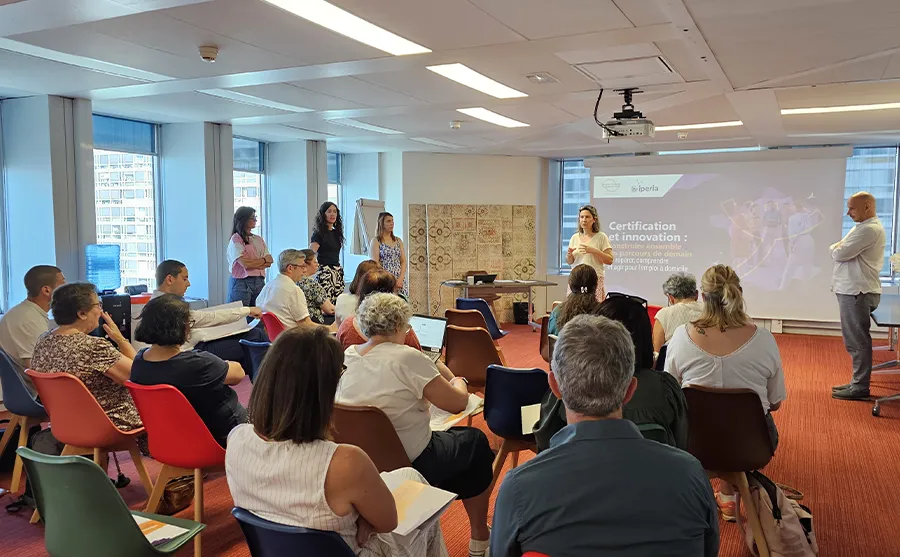
Recognised as a national priority for 2025 (extended into 2026), mental health was one of the key themes addressed at the Services to Individuals and Home Employment Event (SAPED). The home is a workplace with a strong emotional dimension, where employees and individual employers operate within a close relationship. As a key sector-mandated organisation of the Individual Employers and Home Employment sector, IPERIA took part in a conference on this topic organised by Sophie Bressé, Scientific Director of the Fondation du Domicile. The panel also included Angèle Malâtre-Lansac (Alliance for Mental Health), Syrielle Zouakh (occupational therapist and social impact assessment expert), Julie L’HOTEL DELHOUME (President of FEPEM), Karine Durand (Medical Director of the sector’s Occupational Health and Prevention Service) and Serge Da Mariana (Chief Executive Officer of the IRCEM Group). Discussions highlighted the importance of preserving the well-being of both individual employers and professionals working together in the home environment. For the sector, this relies on professionalisation—developed and promoted for more than 30 years—“which enables employees to protect themselves and build their expertise,” as emphasised by Nadège Turco, Deputy Director of IPERIA. A “trained and/or certified employee is able to adapt to needs and to listen, even in complex situations.” They can therefore provide tailored support, identify early warning signs of vulnerability, respect privacy without infantilising, support without taking control, while also raising alerts and maintaining emotional balance. “Professionalisation also helps reduce psychosocial risks,” she added. Professionalisation remains a key pillar in securing this employment relationship and is supported by certifications and assistance mechanisms such as the Relais Assistants de Vie (RAVie).
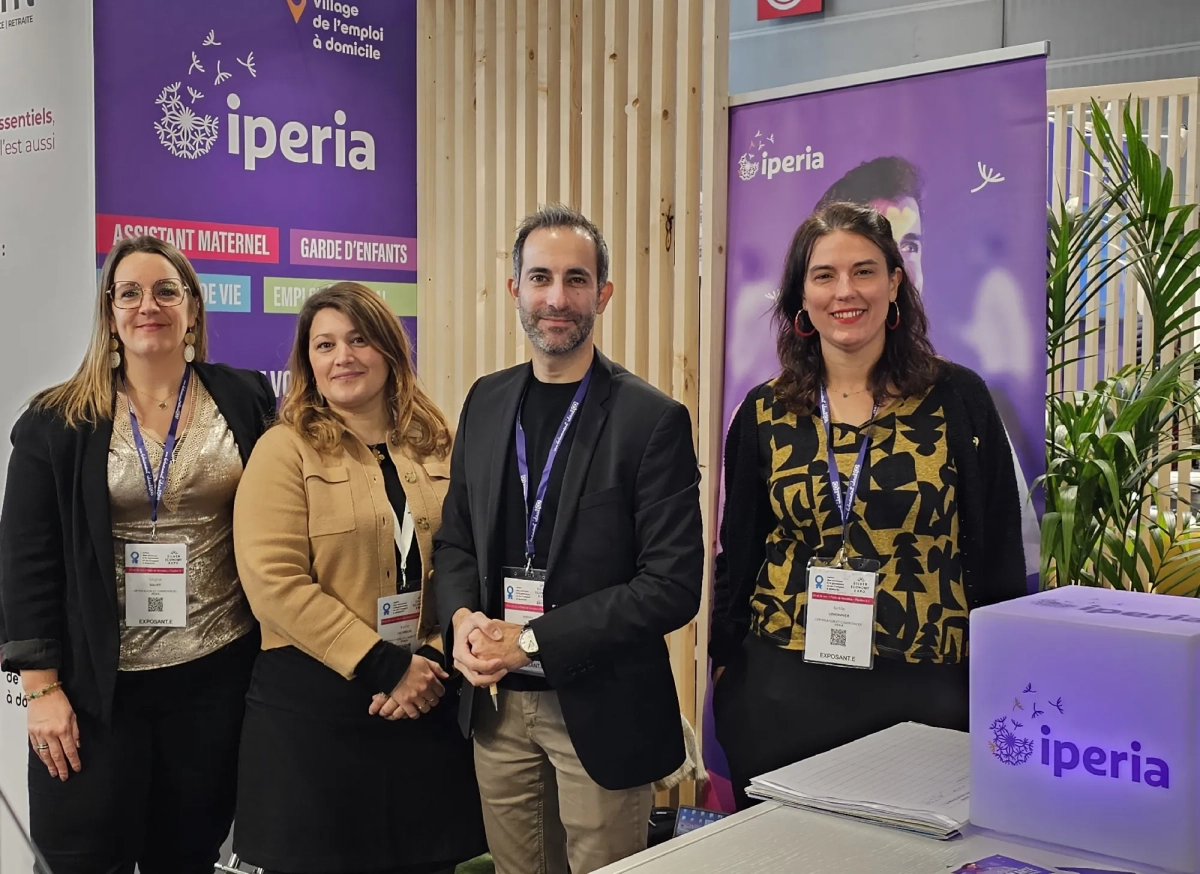
Strong sector mobilisation at the IPERIA stand
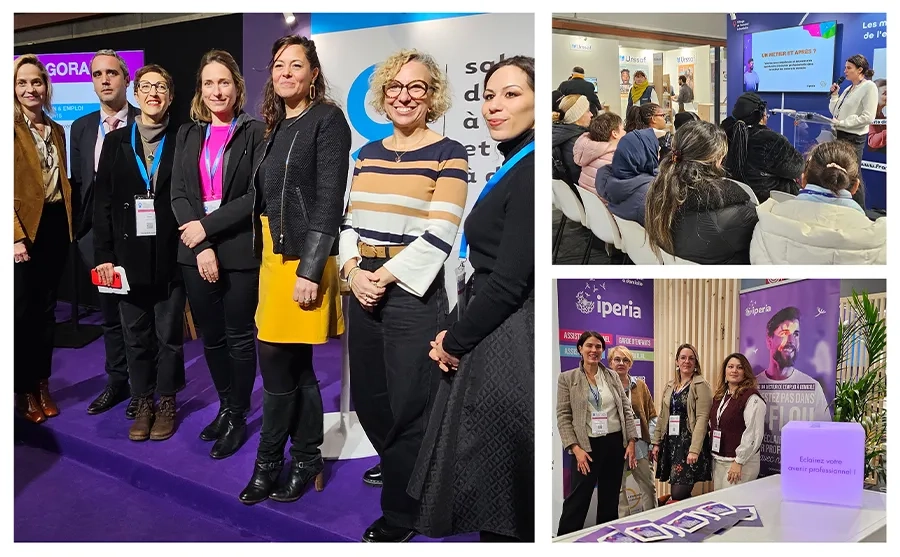
Over the two days of the event, Sector-based Career Guidance and Professional Development Advisors (COEPS) welcomed more than 200 visitors: students, career-change candidates, experienced employees and newly retired individuals. Assessments, information sessions and personalised advice enabled participants to better understand the opportunities offered by a fast-growing sector, with nearly 600,000 positions to be filled by 2035.
This field presence reflects the sector’s ongoing commitment: enabling all candidates and employees to enhance their skills, recognise the value of their professional pathways and consider career progression through skills development.
This field presence reflects the sector’s ongoing commitment: enabling all candidates and employees to enhance their skills, recognise the value of their professional pathways and consider career progression through skills development.
A micro-conference highlighting career pathways
The micro-conference “A job — and then what?”, led by one of our advisors, showcased the diversity of sector profiles and the unique relationship between a professional and an individual employer. It demonstrated that the skills required in home settings are built both through life experience and training, and that certification remains an essential benchmark for both employees and employers.
Once again this year, the SAPED event confirmed the importance of listening, guidance and training in building fulfilling career pathways. Meetings and discussions help reach new audiences, reassure employees seeking career development and inform individuals considering career transitions.
Advising, training and recognising skills are all levers that contribute to improving the quality of support provided to individual employers while also ensuring balance and fulfilment for in-home professionals.
Once again this year, the SAPED event confirmed the importance of listening, guidance and training in building fulfilling career pathways. Meetings and discussions help reach new audiences, reassure employees seeking career development and inform individuals considering career transitions.
Advising, training and recognising skills are all levers that contribute to improving the quality of support provided to individual employers while also ensuring balance and fulfilment for in-home professionals.