ELA: A European Authority Promoting Good Employment Practices
The European Labour Authority (
ELA) is a European Union agency responsible for supporting the fair application of labour rules across Europe. Each year, it invites organisations working to promote declared employment and protect workers, particularly migrant workers, to submit examples of good practice.
Selected initiatives are featured in
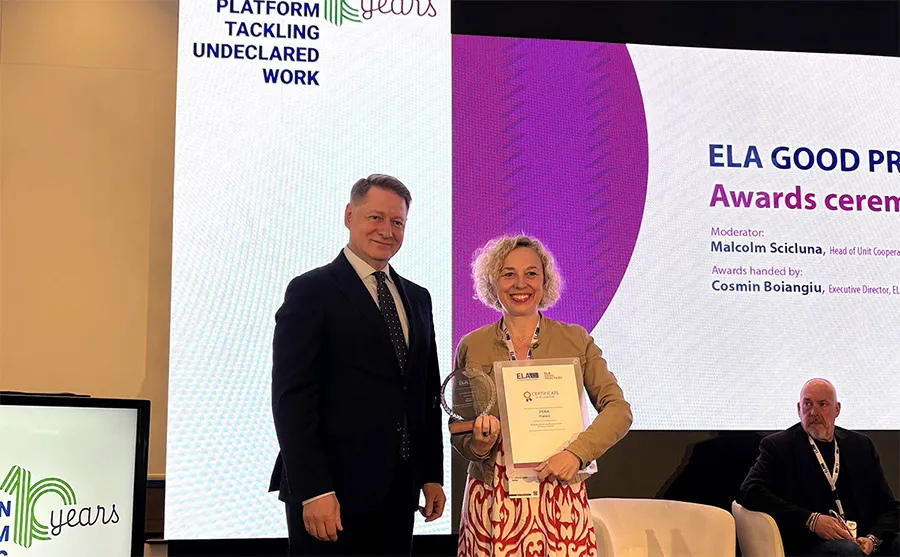
an annual good practice guide, shared with EU Member States. Some outstanding initiatives also receive awards at a dedicated ceremony. This year, marking the anniversary of ELA's establishment, two initiatives developed by the professional branch for individual employers and home-based employment and implemented by IPERIA were recognised from among more than 50 submissions. One of them also received an award.
Two French Initiatives Receive European Recognition
RAVie: A Professional Network Supporting Home-Based Care Assistants
RAVie is a professional networking and support initiative specifically designed for Care Assistants working in the home-based employment sector. It offers an approach to one of Europe's major challenges: how can long-term support for people with care needs, including older people and people with disabilities, be delivered through recognised, regulated and professionalised employment?
"
The challenge of supporting people with care needs affects every Member State. The French example offers a structured, transferable model that goes far beyond a local initiative," explains Nadège Turco, Deputy Director of IPERIA. RAVie's ability to address this challenge earned it an award from ELA at its
latest annual conference, held in Cyprus.
COEPS: Sector-Specific Career Guidance as a Driver of Attractiveness and Employee Retention
The individual employer and home-based employment sector is currently France's seventh-largest employment sector, with approximately 1.2 million employees. However, it faces a major challenge: the average employee is 48 years old, and more than half of the workforce is expected to retire by 2030. Against this backdrop, attracting new professionals and retaining existing talent are essential priorities.
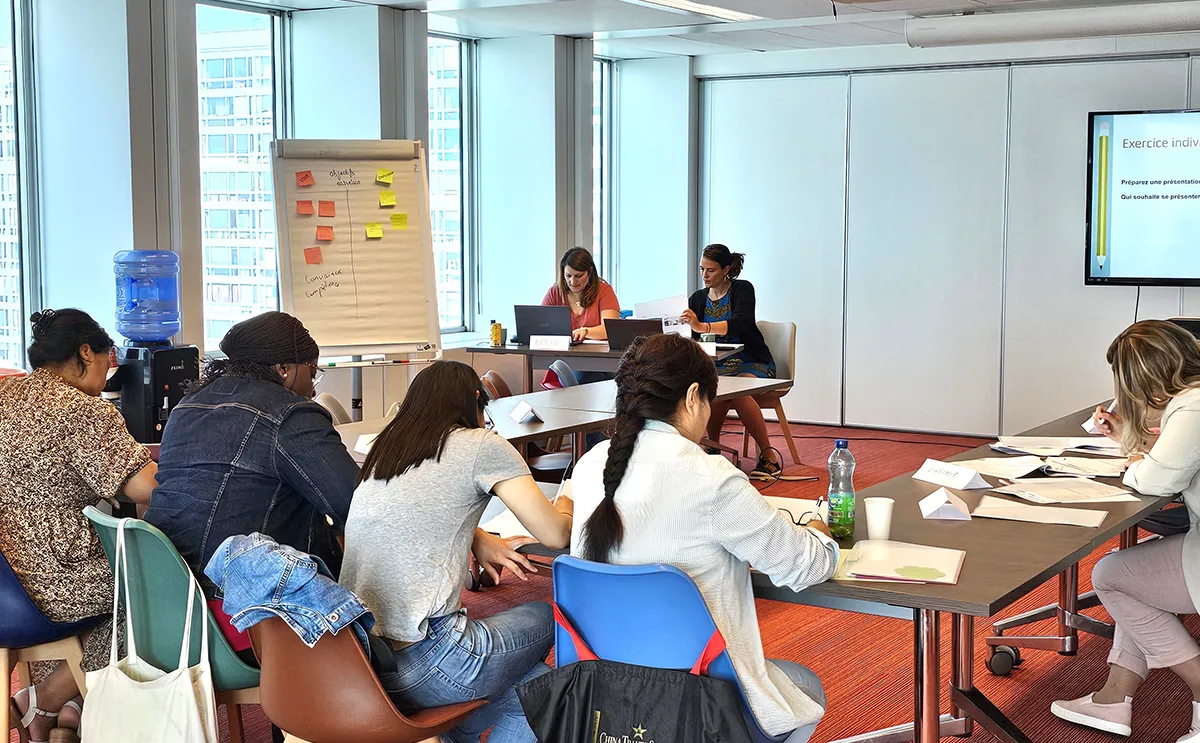
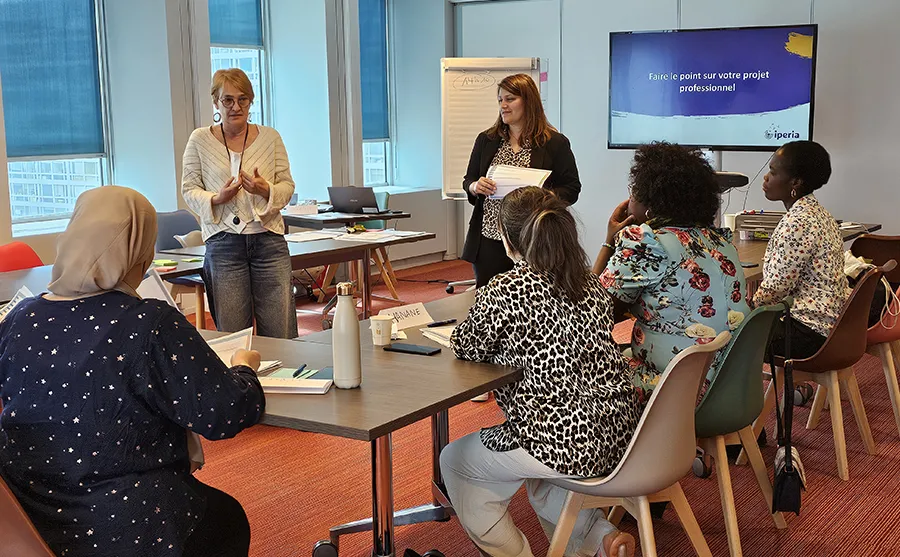
This is where COEPS (Sector-Specific Career Guidance and Professional Development) plays a key role. Developed by the professional branch and implemented by IPERIA, COEPS is an innovative service offering personalised, structured and ongoing support to anyone working in the sector or considering a career within it. Its services include skills assessments, career planning, access to professional certification and job search support.
A French Model with European Potential: What This Recognition Means
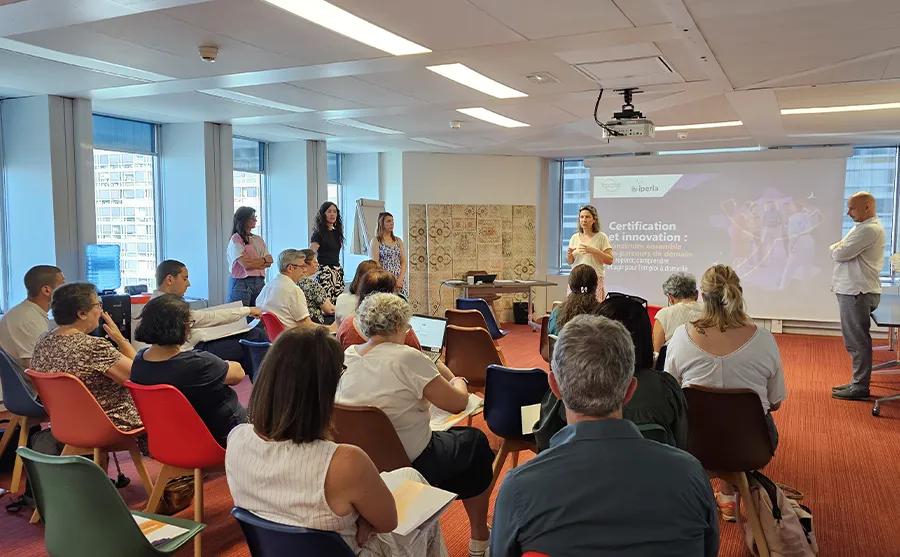
What has attracted ELA's attention is not simply the existence of individual training initiatives, but the comprehensive system underpinning them. Over the years, the professional branch for individual employers and home-based employment has developed an integrated professional development ecosystem built around several complementary elements: Professional training funded through employer contributions, accessible training and certification opportunities for both current and prospective employees, a dedicated organisation supporting the implementation of the sector's professional development strategy.
Nadège Turco emphasised that none of this would have been possible without the professional branch's sustained commitment, and expressed IPERIA's pride in implementing these initiatives. She added: "This demonstrates the European Union's recognition of a sector that is strongly committed to making its occupations more attractive and retaining professionals, while also making work more rewarding and encouraging employees to have their skills formally recognised." This model directly addresses several European Union priorities: combating undeclared work, improving the attractiveness of care and support occupations, and preparing European economies for an ageing population.
By 2030, one in four European citizens is expected to be over the age of 65. Through RAVie and COEPS, France offers two structured responses to challenges facing all EU Member States. By recognising these initiatives, ELA highlights their potential to be adapted and replicated elsewhere in Europe, positioning the French approach as a source of inspiration for other Member States.
FAQ – Frequently Asked Questions About RAVie and COEPS What is RAVie? RAVie is a professional network for Care Assistants, developed by the professional branch for individual employers and home-based employment. It aims to reduce professional isolation among employees supporting people with care needs and strengthen their professional identity. What is COEPS? COEPS (Sector-Specific Career Guidance and Professional Development) is a personalised career support service for the home-based employment sector. It helps current and prospective employees develop structured career pathways, access professional certifications and gain recognition for their skills. Why did ELA recognise these initiatives? Each year, ELA highlights initiatives that help promote declared employment and strengthen worker protection across Europe. RAVie and COEPS were selected because they offer structured, transferable approaches to two major challenges: providing support for people with care needs through recognised professional employment, and improving the long-term attractiveness of careers in home-based employment. |